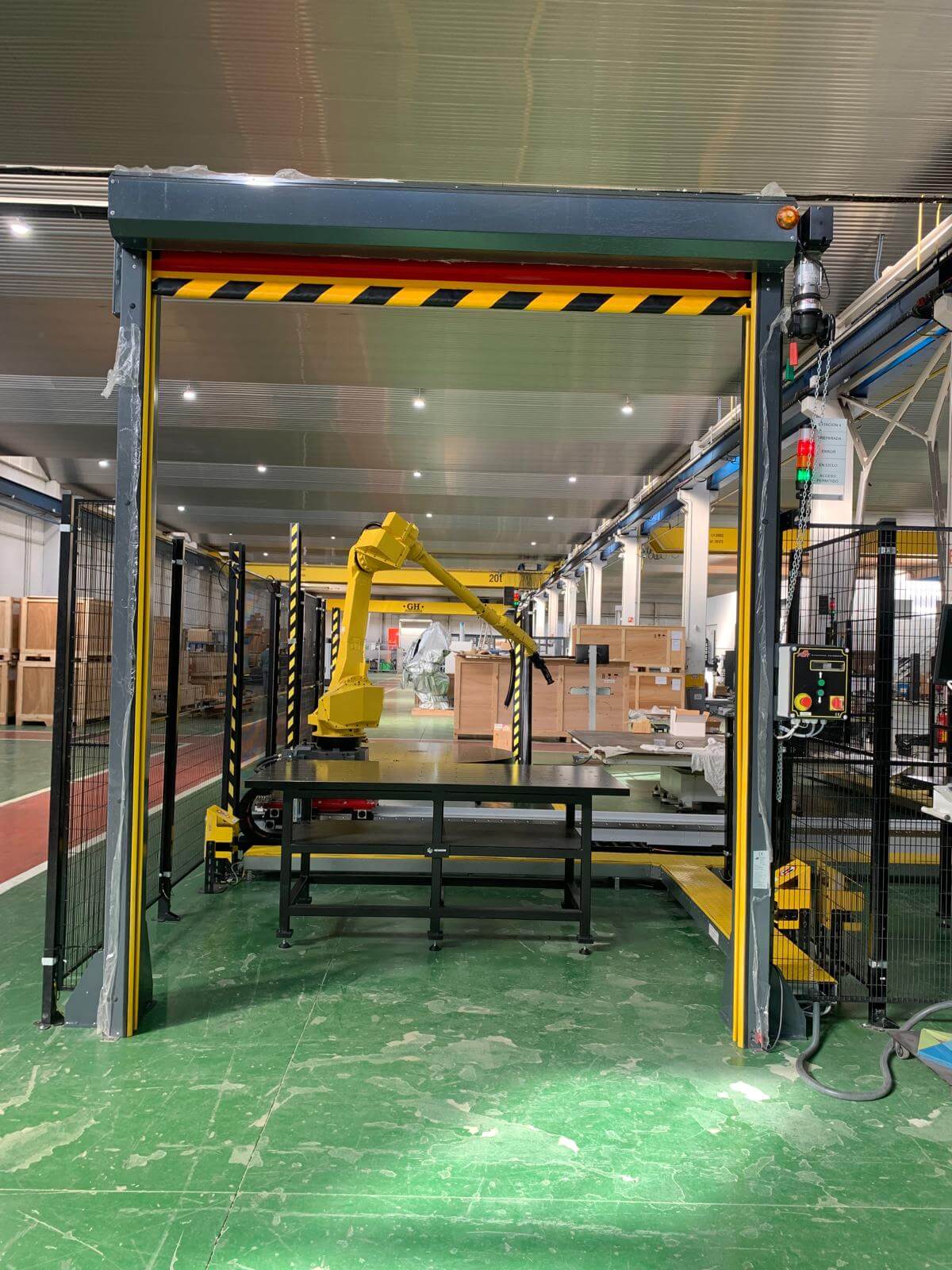
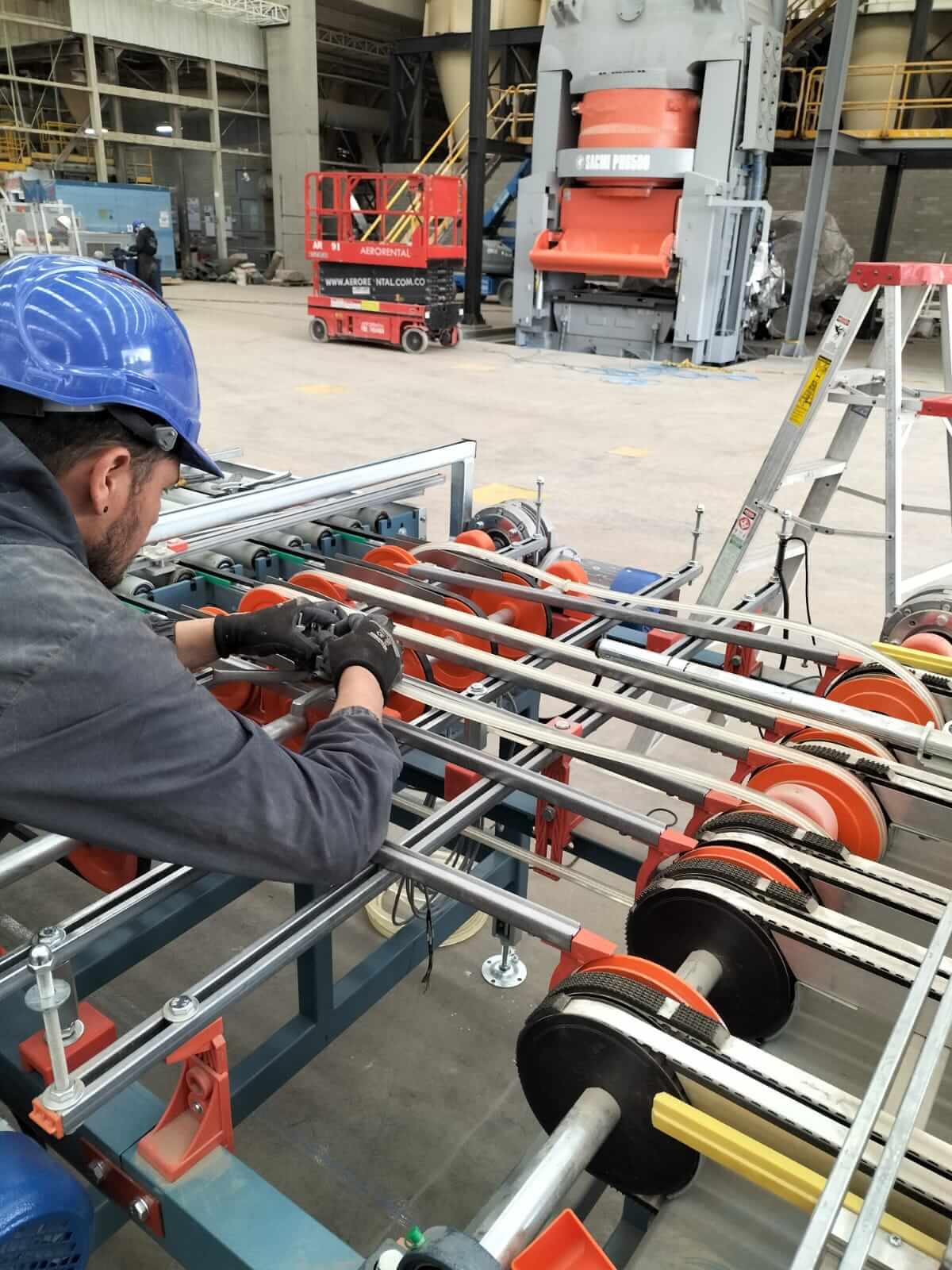
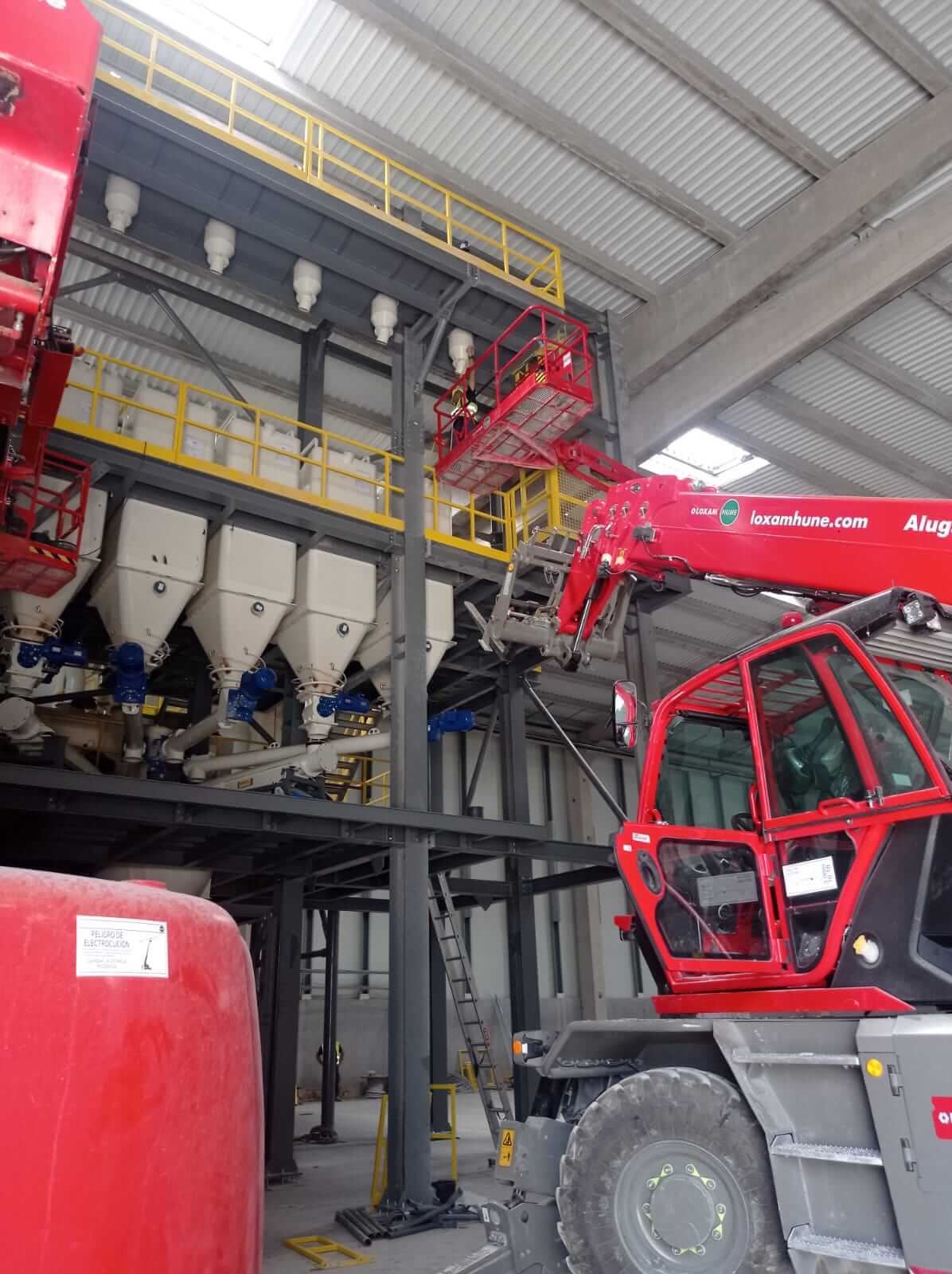
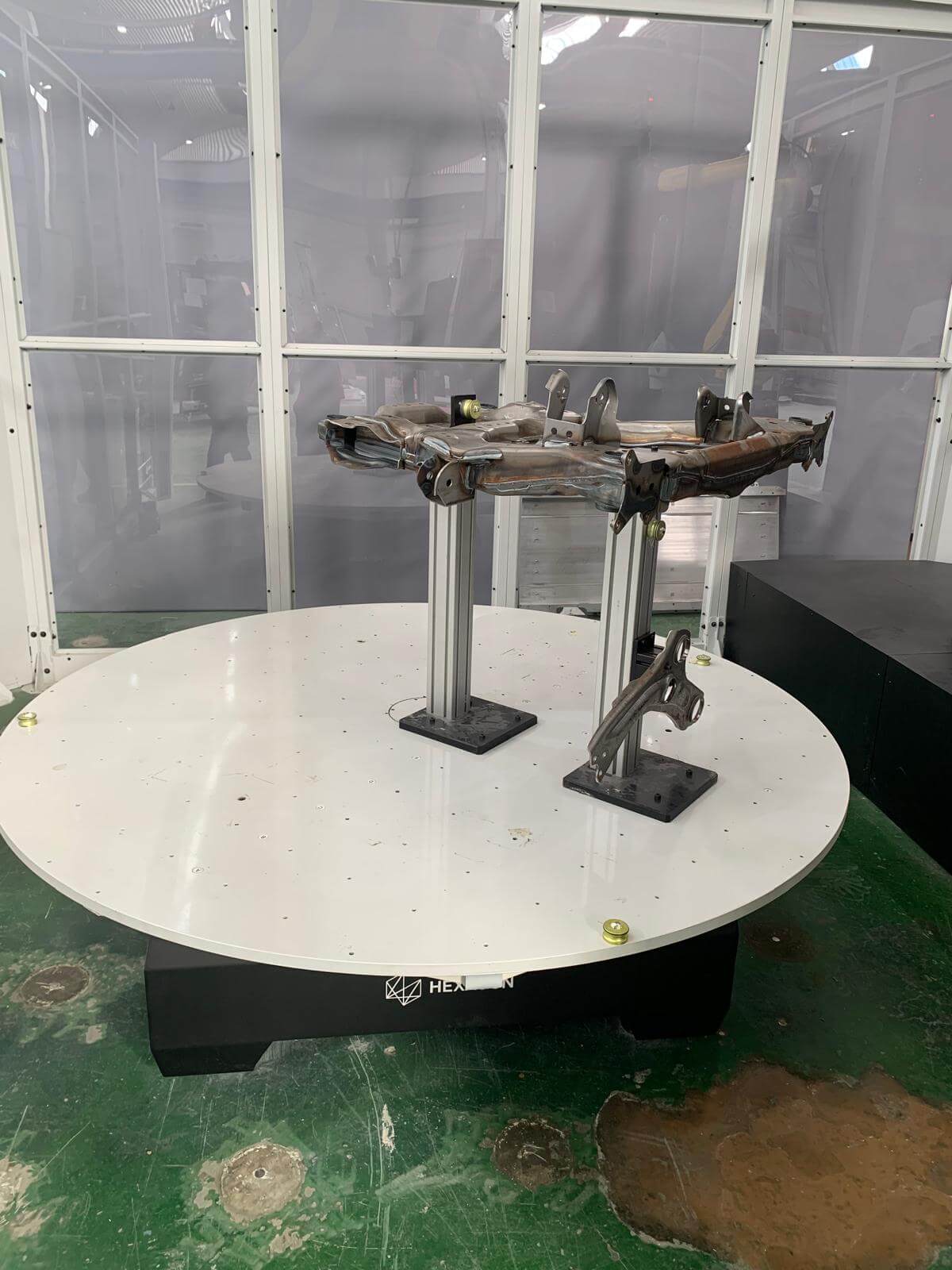
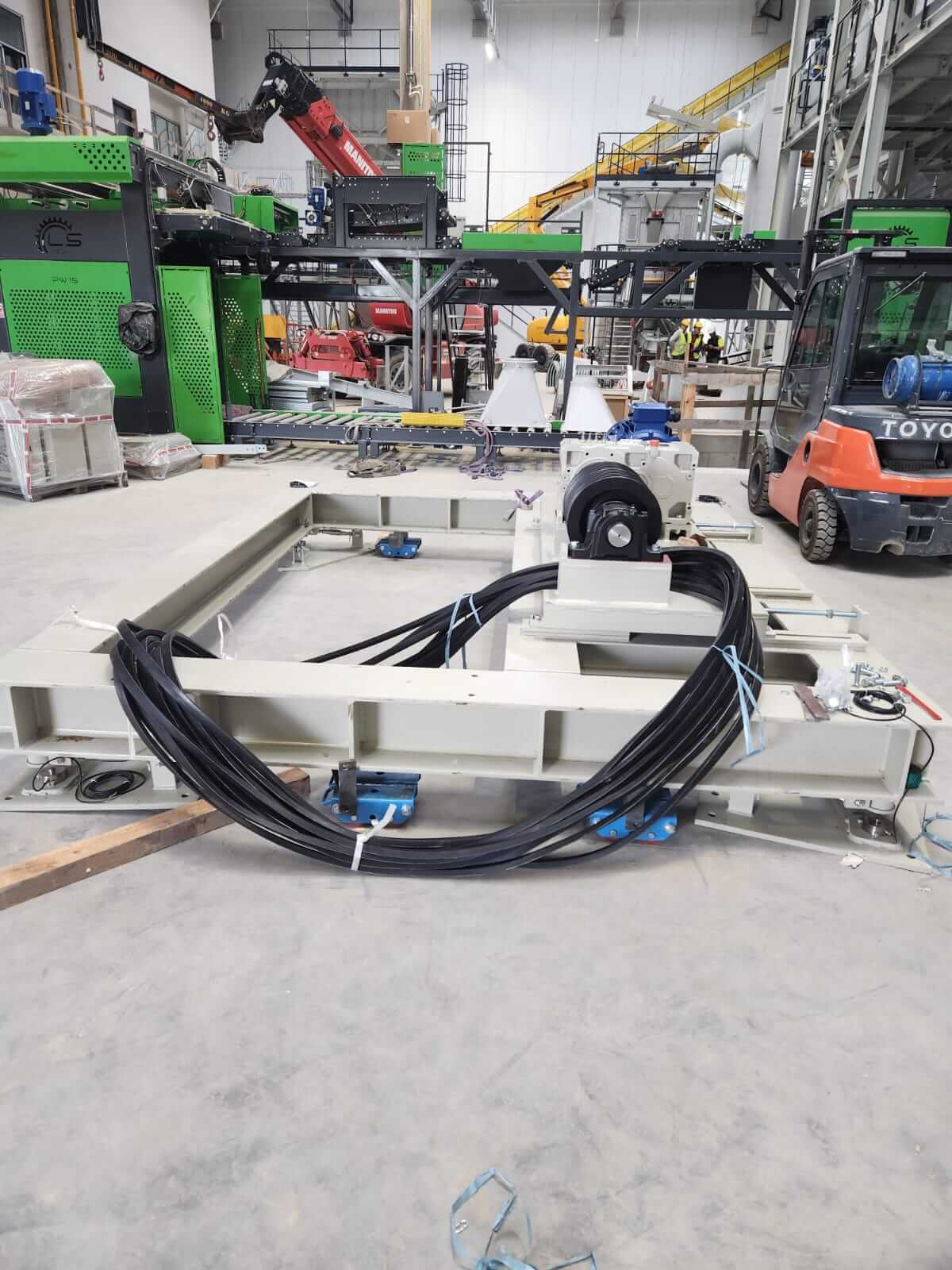
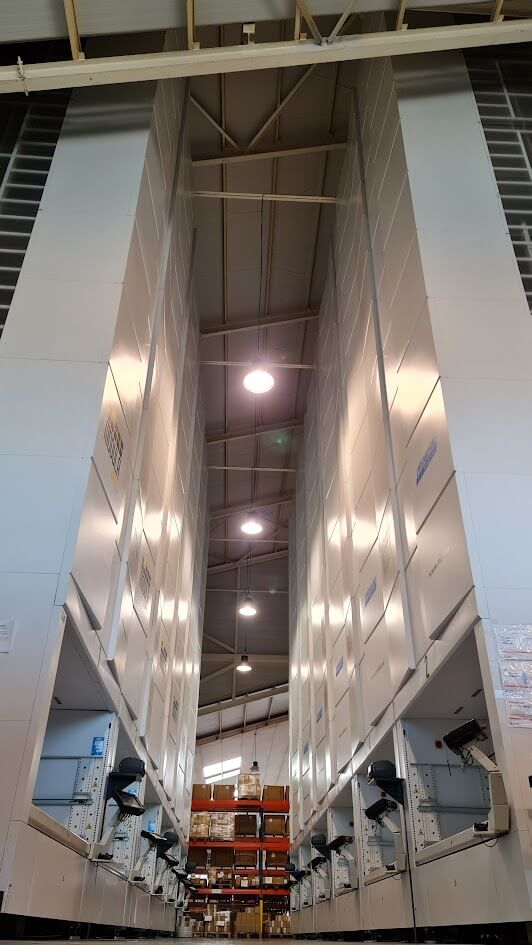
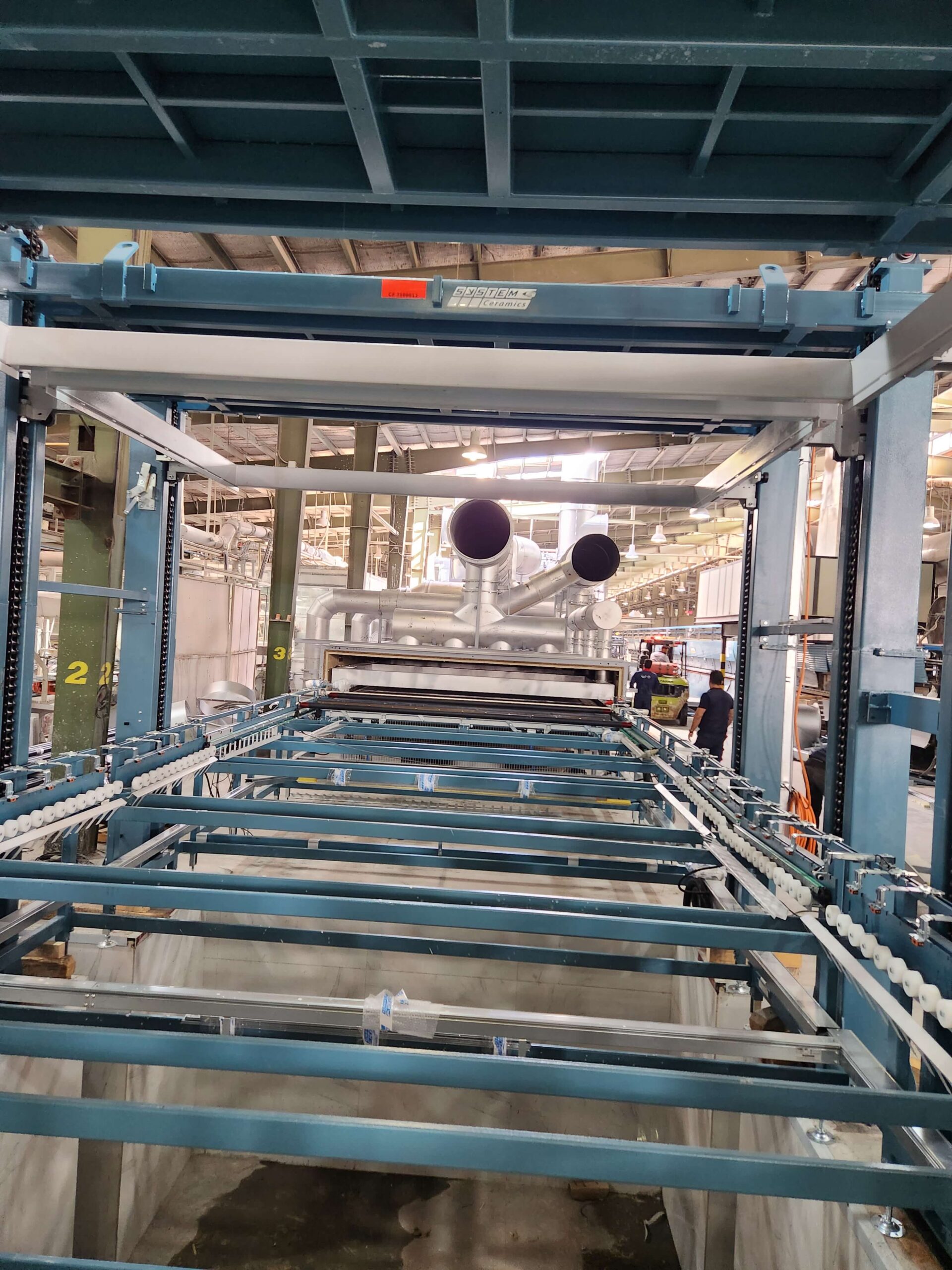
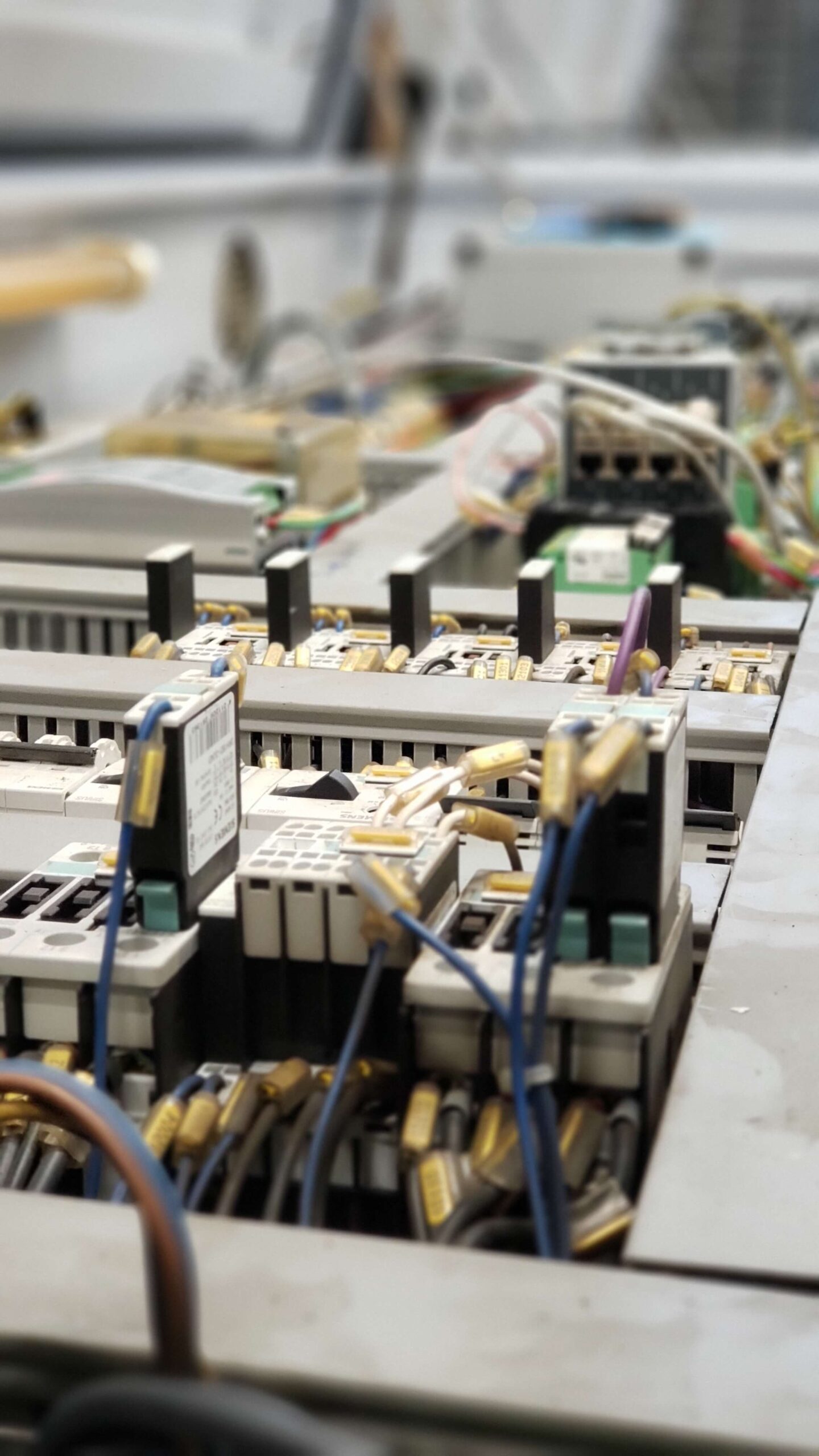
The assembly of industrial machinery is the process by which components, parts and subassemblies are assembled, through a series of tasks, such as the installation of components, the connection of cables, welding, adjustment of parts and quality control, putting the machines necessary to carry out different production processes in various industrial sectors are in operation. From the installation of large equipment in a manufacturing plant to the commissioning of specialized machinery in the food industry, the assembly of industrial machinery requires technical knowledge and experience to guarantee its correct operation and optimize the efficiency of operations.
Industrial maintenance is an essential process to guarantee the correct functioning of the facilities and equipment used in the industry. From heavy machinery to electrical and automation systems, proper maintenance plays a critical role in optimizing the efficiency and productivity of industrial operations. Industrial maintenance refers to the set of activities and processes designed to ensure the reliable operation of equipment and facilities used in industry. Its main objective is to prevent or minimize failures and breakdowns, thus ensuring the availability and reliability of industrial assets. This type of maintenance is based on a proactive approach, as opposed to reactive maintenance, which is carried out after a failure occurs. By taking a preventative approach, companies can avoid production disruptions, reduce costs associated with unplanned repairs, and maximize the life of their assets.
Moving industrial machinery is a complex and delicate task that requires careful planning and a team of experts. From small tools to large equipment, moving industrial machinery is a task that involves many risks and challenges. The transfer of industrial machinery is a task that must be carried out with great care and attention to details, since it involves heavy and complex machinery, as well as various risks that must be considered. At IndusPro Solutions, we are specialists in the transfer of industrial machinery and we have a team highly trained in the handling of this type of equipment and tools. Our goal is to ensure a successful and trouble-free relocation of industrial machinery, minimizing risks and maximizing benefits for our clients. If you need to move your industrial machinery, do not hesitate to contact us, we will be happy to help you.
The installation of industrial machinery is a fundamental process in any production environment. Whether in factories, processing plants or manufacturing facilities, the correct installation of machinery ensures the efficient and safe operation of equipment, as well as compliance with quality and production standards.
Industrial dismantling is a process carried out to dismantle and dismantle obsolete or disused industrial facilities and equipment. This equipment can range from heavy machinery, buildings, pipes and other elements that are part of an industrial plant. Industrial dismantling is important because it allows for the recovery and recycling of valuable materials and resources that would otherwise be lost. It also contributes to environmental and occupational safety, since the proper disposal of hazardous materials and the cleanup of toxic waste can reduce the risk of exposure to substances harmful to health.
The movement of industrial machinery refers to the arrangement and organization of machines and equipment in a workspace to maximize the efficiency and productivity of a plant or factory. The main objective is to ensure that equipment is located in the right place and in the most efficient way possible to optimize production processes and minimize execution times. Industrial machinery movements can be classified in different ways, depending on the criteria used. Below are some of the most common classifications:
1. Depending on location: Movements based on location are classified as internal and external. Internal movement involves the reorganization of machinery within the factory, while external movement involves the transfer of machinery from one location to another outside the factory.
2. According to the type of machinery: Movements, depending on the type of machinery that is going to be moved, are classified as sensitive, heavy and automatic. The type of transportation selected will depend on several factors, such as the location of the machinery, the distance to be traveled, and the amount of machinery to be moved.
3. According to complexity: Movements according to complexity can be classified as simple or complex, according to the amount of machinery that is moved, the degree of difficulty in manipulating the machinery, the level of risk and the safety measures that are implemented. they must take.
Industrial disassembly is the process of disassembling machinery, equipment and industrial facilities with the aim of reusing, recycling or disposing of their components.
Industrial disassembly requires careful and precise planning, the use of specialized tools and equipment, and giving special consideration to the safety of workers and their surroundings. The main objective of industrial disassembly is to ensure that materials and equipment that are no longer in use are handled responsibly, whether for reuse, recycling or disposal. This helps reduce costs and negative environmental impacts associated with production.
Industrial disassembly can also be an opportunity to recover valuable materials, such as metals, plastics and electronic components, which can be recycled or reused in other applications. In addition, it contributes to freeing up highly valuable physical space in factories and industrial plants, making the land available for new facilities or uses.
Planning industrial projects for machinery, equipment and facilities is a very precise, complex and expensive process. To ensure the success of the project, it is important to have proper planning from the beginning. This means making sure that all aspects of it are well planned. At IndusPro Solutions we like to prepare the planning of each project together with our clients, so that all the required steps are clear, measured and correctly coordinated between both parties. The management of industrial projects requires a qualified professional who has the knowledge, skills and abilities necessary to perform the functions of a project manager, who knows and masters the use of the tools necessary for project management.